










The Thrill of Uncertainty
Gambling inherently combines elements of chance and risk, which can evoke a powerful emotional response. The unpredictability of outcomes can lead to intense excitement, a phenomenon often referred to as “the thrill of uncertainty.” When players place their bets, they experience a rush of adrenaline as they await the result, tapping into a primal instinct that craves excitement and novelty. Many individuals explore various platforms, including betting apps australia, to enhance their gaming experiences.
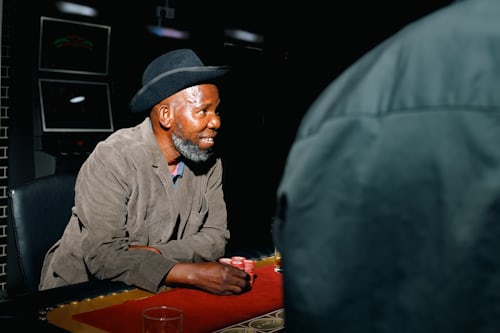
This thrill can activate the brain’s reward system, releasing dopamine, a neurotransmitter associated with pleasure and satisfaction. This biochemical response can create a compelling cycle, where the excitement of potential winnings encourages players to continue gambling, seeking that euphoric feeling. This psychological pull is a core reason why people are drawn to casinos, often viewing them as not just places to gamble but as sources of thrilling entertainment.
The Social Experience
Casinos are not merely venues for gambling; they are social hubs where individuals gather to share experiences. The vibrant atmosphere, filled with sounds of cheers, laughter, and the clinking of chips, fosters a sense of community. Gamblers often enjoy discussing strategies, sharing anecdotes, and celebrating wins together, which enhances their overall experience.
This social aspect can also alleviate feelings of isolation that some individuals may face in their daily lives. The shared experience of gambling creates bonds and encourages social interaction, making casinos appealing to people looking for both entertainment and connection. As social creatures, humans naturally gravitate towards environments that promote interaction and community engagement.
The Illusion of Control
One of the most fascinating psychological elements of gambling is the illusion of control. Many players believe they can influence outcomes through strategies or particular behaviors, such as choosing specific slots or using “lucky” rituals before playing. This belief can provide a sense of empowerment, driving players to take more risks than they might otherwise consider.
However, this illusion often leads to misconceptions about the nature of luck and chance. Understanding that most gambling games are purely based on random outcomes can be challenging for individuals. This psychological complexity fuels the allure of casinos, as players seek to navigate their perceived control over luck while engaging with games that are ultimately governed by chance.
The Role of Marketing and Design
Casinos invest heavily in design and marketing strategies that cater to psychological triggers. The layout of a casino is carefully crafted to keep players engaged, with bright lights, captivating sounds, and an inviting atmosphere. Such designs aim to create an immersive experience that entices individuals to stay longer and gamble more.
Promotions, loyalty programs, and the presentation of potential winnings also play significant roles in shaping players’ perceptions. By highlighting extravagant jackpots and showcasing frequent winners, casinos tap into the human psyche’s desire for success and validation. These marketing strategies can cloud judgment and heighten the desire to participate, often leading gamblers to return for more experiences.
Fostering Inclusion and Understanding
At Design for Dignity, we believe in promoting thoughtful design that enhances experiences for everyone, including those engaging in recreational activities like gambling. By understanding the psychological aspects of environments, designers can create spaces within casinos that allow for responsible gambling practices and a welcoming atmosphere for all individuals.
Our mission is to empower designers with the tools and insights needed to cultivate inclusive environments that respect and elevate each person’s experience. By focusing on psychological factors that influence behavior, we aim to foster an atmosphere where enjoyment and responsibility coexist, ensuring that places meant for entertainment also cater to the diverse needs of every visitor.